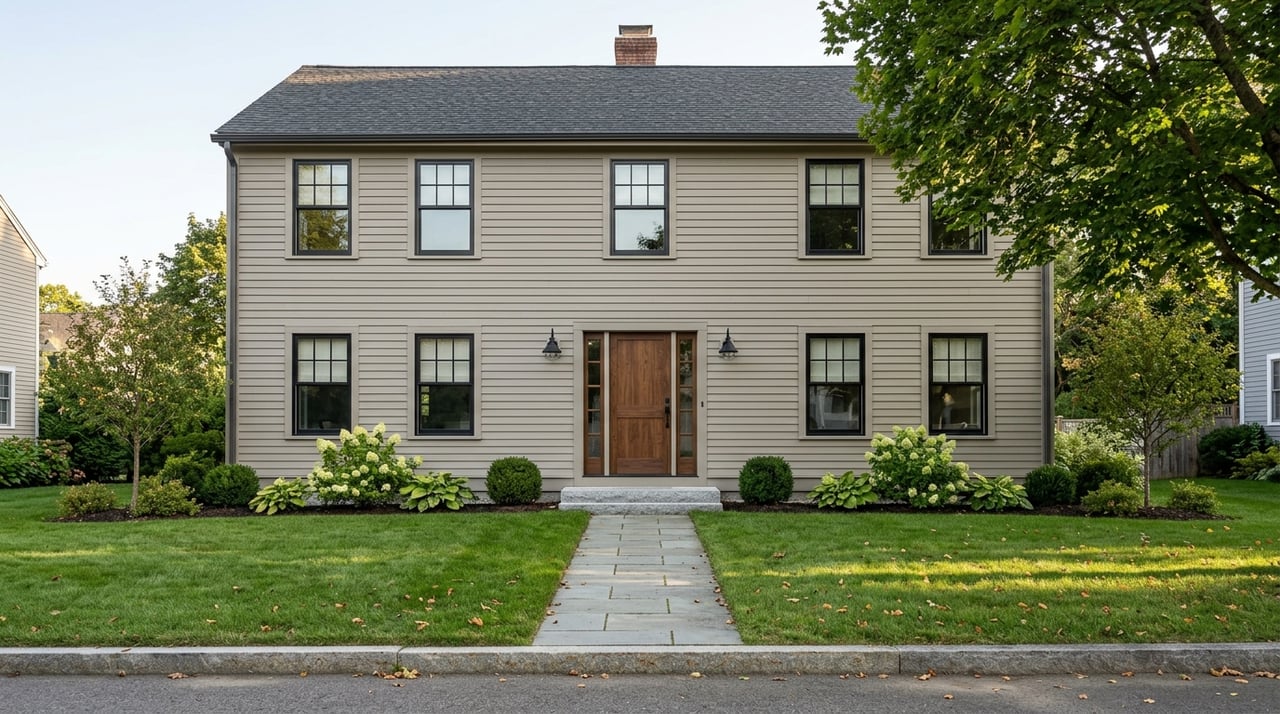
First-Time Home Buying In Concord NH: A Step-By-Step Overview
April 16, 2026
April 16, 2026
Buying your first home in Concord can feel exciting, intimidating, and a little fast-paced all at once. If you are trying to figure out what comes first, how much cash you really need, and how to compete in a seller's market, you are not alone. The good news is that the process becomes much more manageable when you break it into clear steps and understand the local factors that shape your decisions. Let’s dive in.
Before you start touring homes, it helps to know what kind of market you are entering. In early 2026, Concord was a seller's market, with a median sale price of $382,500 in February 2026 and a median 32 days on market, according to Redfin's Concord housing market data. Realtor.com also reported that homes sold for about asking price on average in January 2026.
That context matters because it shapes how quickly you may need to act and how prepared your offer should be. It also helps to know that Concord's median home price was below nearby Hooksett and Bow in Realtor.com's Merrimack County comparison, which may make Concord worth a closer look if you are balancing budget and location.
Your home budget should include more than the purchase price. The Consumer Financial Protection Bureau recommends starting with your credit, income, savings, debt, and monthly obligations so you can build a realistic number before you shop.
You should also plan for upfront and ongoing costs, including:
In Concord, property taxes are another key part of the monthly picture. The City of Concord tax rate page shows a 2025 total tax rate of $29.11 per $1,000 of assessed value, with quarterly billing dates on July 1, October 1, January 2, and March 31.
Many first-time buyers assume they need a large down payment to get started. That is not always the case. New Hampshire Housing offers homeownership programs through a statewide network of lenders and real estate professionals, including low-down-payment options, discounted mortgage insurance, purchase-rehab options, and up to $15,000 in cash down payment and closing cost assistance for qualifying buyers.
These programs are available to qualifying homebuyers and are not limited only to first-time buyers or targeted communities. If you are trying to keep more cash in reserve for moving or repairs, exploring these options early can make a big difference.
If you need help sorting through timing, credit, or loan choices, the CFPB also suggests connecting with local housing counselors. That extra guidance can be especially helpful if this is your first purchase.
In a competitive market, a preapproval letter can help show sellers that you are serious. The CFPB explains that sellers often ask for one before accepting an offer, especially when demand is strong.
It is important to know that preapproval is not the same thing as choosing your lender. As the CFPB explains in its guide to getting a preapproval letter, each lender must provide a Loan Estimate within three business days after receiving the six key application details, and that Loan Estimate is the best tool for comparing rates, fees, and loan terms.
As you shop for financing, compare multiple Loan Estimates side by side. A low interest rate is important, but so are lender fees, mortgage insurance costs, and the full monthly payment.
Once you know your budget and financing range, you can start looking at homes with more confidence. This stage is where many first-time buyers benefit from having a patient local guide who can help them evaluate trade-offs, spot potential issues, and stay focused on the bigger picture.
Try to separate your must-haves from your nice-to-haves before you begin touring. In a seller's market, that clarity can help you move faster when the right home appears.
When you find the right home, you will make an offer. If the seller accepts it, you will move into the contract stage, which in local practice is often called the Purchase and Sale Agreement, or P&S.
You will also likely hear the term earnest money. The CFPB defines earnest money as a good-faith deposit on a signed contract to buy a home, and if the sale closes, that money may be applied to your closing costs or down payment. HUD also describes this contract stage as the formal agreement of sale after the offer is accepted.
Because earnest money ties up cash while the property is under contract, it is smart to ask early how that fits into your full cash-to-close plan.
In New Hampshire, seller disclosure requirements are more specific than many buyers expect. Under New Hampshire law, sellers of one- to four-family dwellings must provide written disclosure about:
If the information is unavailable, that must also be disclosed in writing. This is one reason it is so important to read every disclosure document carefully and ask questions before your deadlines pass.
A home inspection is different from an appraisal, and timing matters. The CFPB recommends that buyers schedule a home inspection as soon as possible after going under contract.
If your contract includes an inspection contingency, you may be able to renegotiate repairs or cancel the agreement without penalty if the results are not acceptable to you. In New Hampshire, home inspectors must be licensed, and state standards cover major systems and components such as structural elements, roofing, plumbing, electrical, heating, cooling, foundation, and interior and exterior features.
In New Hampshire, radon is an important due-diligence item. The New Hampshire Department of Health and Human Services says any house can have a radon problem, and buyers may ask for radon air and well-water testing in the purchase agreement.
The same guidance notes that sellers must notify buyers about known radon gas presence. NH DHHS recommends mitigation at 4.0 pCi/L or higher and says buyers should consider mitigation between 2.0 and 4.0 pCi/L. If the home has a private well or septic system, ask what additional testing or review may be appropriate for that property.
After the inspection phase, your lender will continue with appraisal and underwriting. The appraisal helps confirm the home's value for the lender, and the CFPB says buyers have the right to receive a copy of their home appraisal.
If the appraised value comes in below the agreed sale price, you may be able to use that lower value to renegotiate the price. Depending on your contract, you may also have the option to cancel the transaction.
Closing is not just a signing appointment. It is a document review process that deserves your full attention. By law, most buyers must receive the Closing Disclosure at least three business days before closing.
Use that time to compare your Closing Disclosure with your original Loan Estimate. You should also review the final loan documents, including the promissory note, mortgage or security instrument, and deed, so there are no last-minute surprises.
The days before closing are when buyers can be most vulnerable to fraud. The CFPB warns that scammers target homebuyers with fake wiring instructions and urgent messages designed to redirect your funds.
Before sending money, verify wiring instructions by phone or in person with trusted parties using contact information you know is legitimate. Taking a few extra minutes here can protect one of the biggest financial moves of your life.
Buying your first home in Concord is rarely about checking off one simple to-do list. It is about preparing your finances, understanding local costs, moving quickly when needed, and knowing which details deserve a closer look.
With the right support, you can move through the process with more clarity and less stress. If you want step-by-step guidance, local market insight, and calm communication from first showing to closing, Darcy Mantel is here to help.
Stay up to date on the latest real estate trends.
I don't just list homes-I create customized selling strategies that showcase what makes your property special. My commitment extends beyond the sale to ensure a smooth transition to your next chapter. And for my Buyers, I have proven strategies to help you win in this competitive market.
197 N Main St Concord, NH 03301