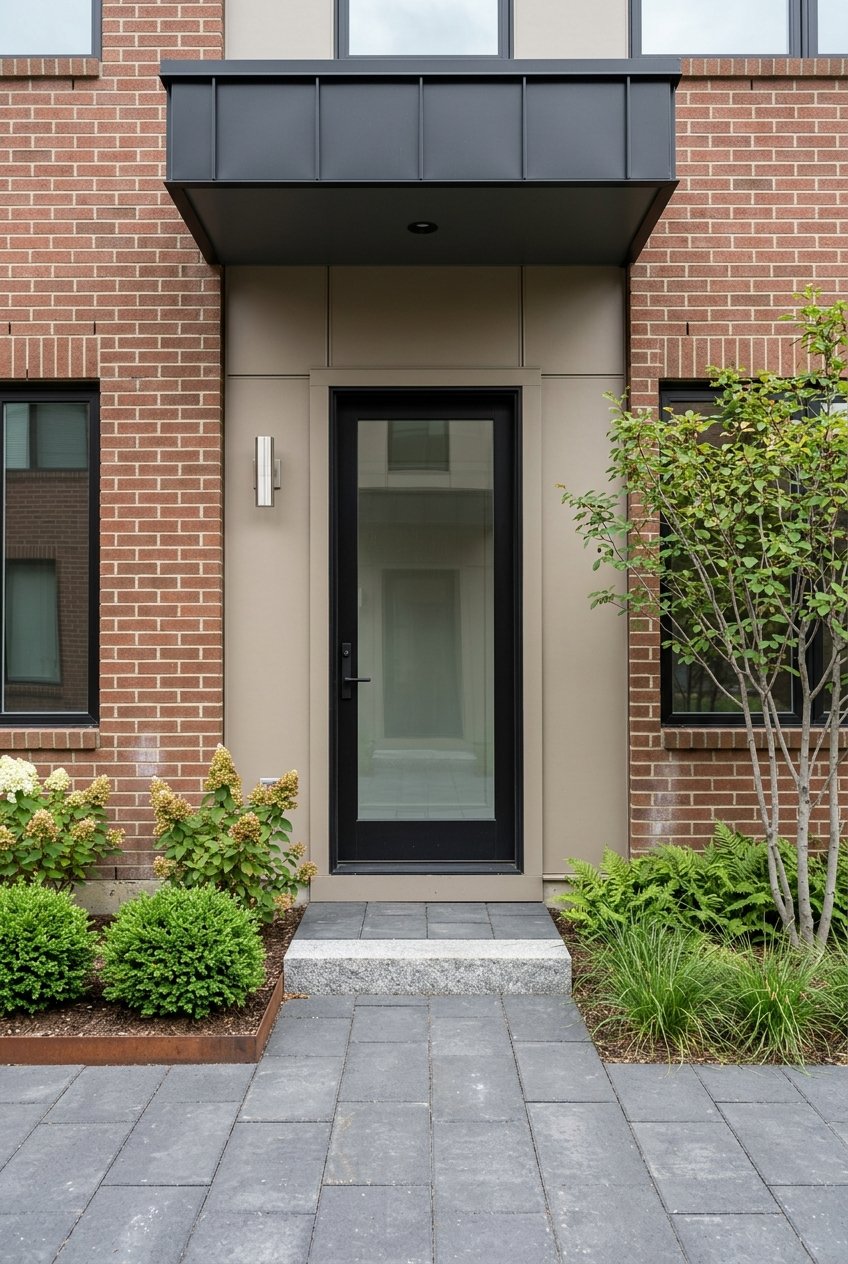
Manchester NH Condo vs House: Which Home Fits You?
June 4, 2026
June 4, 2026
Wondering whether a condo or a single-family home makes more sense in Manchester, NH? It is a common question, especially when you are trying to balance budget, lifestyle, upkeep, and location all at once. The good news is that Manchester offers a wide mix of housing types, so you have real options. This guide will help you compare both paths in a practical way so you can decide what fits your goals best. Let’s dive in.
Manchester is not a one-size-fits-all housing market. The city includes traditional single-family neighborhoods, townhouses, condominiums, apartment buildings, and mixed-use areas, with zoning that supports both lower-density and higher-density housing in different parts of the city.
That matters because your decision is not only about the home itself. It is also about how you want to live day to day, what kind of monthly costs you are comfortable with, and which parts of Manchester feel like the right fit for you.
According to U.S. Census data, Manchester has an owner-occupied housing rate of 48.7%, a median value of owner-occupied homes of $365,600, and median monthly owner costs with a mortgage of $2,227. Those numbers give you a useful local baseline as you compare options.
A condo can be a smart choice if you want homeownership with less hands-on exterior maintenance. In New Hampshire, condominium ownership is governed by RSA 356-B, which addresses common areas and common expenses.
In simple terms, that usually means the association handles shared spaces and common-area maintenance. You still own your unit, but some responsibilities are shared through the condo association structure.
For many buyers, the biggest appeal is convenience. If you want less day-to-day upkeep or prefer a more lock-and-leave lifestyle, a condo may feel easier to manage than a detached house.
A lower purchase price does not always mean a lower monthly cost. Condo dues are typically separate from the mortgage, and they can vary widely from a few hundred dollars a month to more than $1,000 a month.
When you compare a condo to a single-family home, use the full monthly picture. That includes principal, interest, property taxes, homeowner’s insurance, flood insurance if needed, HOA or condo dues, and maintenance costs.
This is especially important in Manchester, where property taxes are billed in two installments each year, due July 1 and December 1. City pages currently show a 2025 tax rate of $19.58 per $1,000 on the Finance page and $20.24 per $1,000 on the Assessors page, so it is wise to confirm the current figure for any property you are considering.
Insurance is another area where condos and single-family homes differ. Condo associations often carry master insurance for common areas, but you still need your own insurance for the unit.
A condo owner’s policy is commonly referred to as an HO-6 policy. That extra layer is important to understand early, so you can budget accurately and know what is and is not covered.
Condo living usually comes with rules, fees, and shared standards. HOA or condo boards typically set community rules, collect dues, and manage common responsibilities.
That can be a benefit if you like structure and predictable upkeep in shared spaces. It can also feel limiting if you want more freedom to make changes or avoid another layer of approval.
A detached single-family home often gives you more control over the property. In practical terms, it is the opposite of the condo common-area model, because more of the upkeep and decision-making usually falls on you as the owner.
For many buyers, that trade-off is worth it. If you value privacy, more room, outdoor space, or flexibility for projects and updates, a single-family home may be the better fit.
You also usually avoid condo association dues and the rules that come with shared governance. That can simplify ownership for buyers who want to make decisions more independently.
More control also means more responsibility. With a detached home, you should plan for exterior maintenance, yard care, repairs, and long-term upkeep in addition to your mortgage, taxes, and insurance.
That does not automatically make a single-family home more expensive each month than a condo. In some cases, a condo with high dues may cost as much as, or even more than, a detached home with moderate maintenance needs.
The key is to compare both options with the same math. Looking only at list price can lead you in the wrong direction.
Manchester’s planning and zoning framework gives helpful clues about where each option is more common. Lower-density districts such as R-S and R1-A align with detached single-family dwellings, while R1-B allows detached homes on smaller lots.
Areas with a wider mix of housing types and higher densities include R-M, MX-1, MX-2, DT-1, DT-2, the Millyard, and the Innovation District. In those settings, condos and other attached housing options are more likely to be part of the mix.
The city’s master plan is especially clear about downtown. It describes mixed-use housing as particularly suitable for downtown and neighborhood-center areas, including the Downtown Core, Millyard, North of Bridge, South Downtown, and Downtown West.
Useful neighborhood references on the city’s map include the North End, Rimmon Heights, South End, Green Acres, Wellington, and Hallsville. These names can help you get oriented as you compare properties, even though housing types can vary within each area.
Manchester’s transportation resources include city bus service, Boston bus service, taxi service, airport access, and major highways. The city’s planning documents also emphasize walkability and transit links in downtown.
That makes attached living a natural option for buyers who want to be closer to services, downtown destinations, or transportation connections. Buyers who prefer lower-density areas and are comfortable driving more often may find that a single-family home fits their routine better.
The right answer often comes down to your priorities, not just the property type. If you are deciding between a condo and a single-family home in Manchester, focus on the questions that affect your real life most.
Start with your full monthly comfort level, not just the mortgage payment. A fair comparison should include loan payment, taxes, insurance, possible flood insurance, HOA dues if applicable, and expected maintenance.
Manchester’s median monthly owner costs with a mortgage are $2,227, while median gross rent is $1,564. Those figures are not a pricing rule, but they can help you frame what ownership costs may feel like locally.
Be honest about how much maintenance you want to handle. If you want less exterior work and fewer routine upkeep tasks, a condo may feel like a better match.
If you want more independence and are comfortable taking care of the property yourself, a single-family home may be worth the added responsibility. Neither choice is better across the board. It depends on what will feel manageable and enjoyable to you.
Some buyers want the simplicity of shared maintenance and established community rules. Others want more freedom around the property without an association setting standards.
Think about how you want to live, not just what looks good on paper. Your best choice is the one that fits your habits, expectations, and tolerance for shared decision-making.
| Factor | Condo | Single-Family Home |
|---|---|---|
| Upkeep | Shared maintenance for common areas is typical | Owner usually handles more exterior and lot upkeep |
| Monthly costs | Mortgage, taxes, insurance, and condo dues | Mortgage, taxes, insurance, and maintenance |
| Rules | Usually includes association rules and standards | Usually fewer shared rules |
| Privacy and control | More shared structure | More independent control |
| Common location pattern in Manchester | More likely in mixed-use, downtown, and higher-density areas | More aligned with lower-density residential areas |
In Manchester, you do not have to force your needs into a narrow set of options. The city offers a broad housing mix, which is helpful whether you want lower-maintenance ownership, more privacy, or a location that supports your daily routine.
If you are torn between a condo and a single-family home, the smartest next step is to compare real examples side by side. Looking at actual monthly costs, upkeep expectations, and location trade-offs can make the decision much clearer.
That is where clear guidance can make a big difference. If you want help weighing your options in Manchester and finding the right fit for your budget and lifestyle, connect with Darcy Mantel.
Stay up to date on the latest real estate trends.


I don't just list homes-I create customized selling strategies that showcase what makes your property special. My commitment extends beyond the sale to ensure a smooth transition to your next chapter. And for my Buyers, I have proven strategies to help you win in this competitive market.
197 N Main St Concord, NH 03301